B2B and B2C platforms – discover their key features


B2B or B2C? Success in running a sales platform depends on making the right decisions.
It could be said that B2B and B2C platforms are two sides of the same coin, as in both cases they enable commercial transactions to take place. Both forms of running an online shop are very similar, and the subtle differences in how they operate only become apparent when we look more closely at the features they offer.
What does the customer journey look like?
When building a sales platform, we strive to understand the end customer’s needs and create an infrastructure that enables a convenient shopping experience. In the B2B sector, one way of simplifying the purchasing process as much as possible is to allow orders to be placed using an EAN or SKU number. There are platforms where you simply need to enter a specific code or just the extension and proceed to checkout directly from the search engine.
We strive to develop solutions based on our observations of a wide range of platforms, so we are constantly drawing conclusions and implementing them for our clients. We want the introduction of a B2B platform to be an investment for your company that will support its long-term growth.
Conversion paths in B2C must also be simple and free of any distractions. For example any distractions. For example any distractions. For example any distractions. For example any distractions. For example any distractions. For example any distractions. For example any distractions. For example any distractions. For example a11> any distractions. For example, when proceeding to the checkout, the top menu is hidden, which minimises the chance that that the user returns to the start of the purchasing process and ultimately, for some reason, does not complete the transaction.
Minor differences in the customer journey
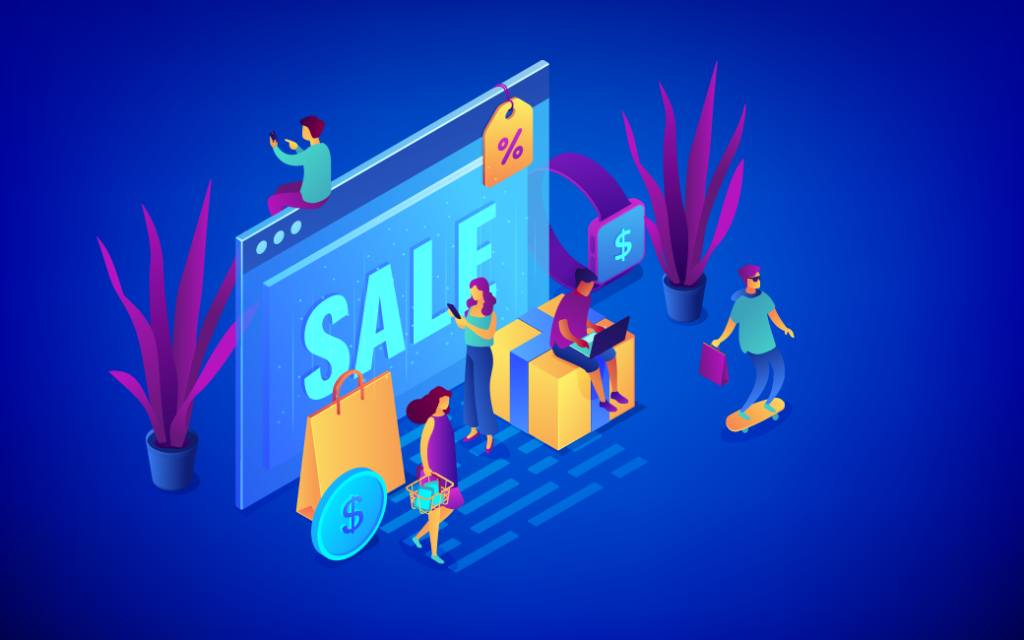
Although both B2B and B2C shops are geared towards maximising sales and making it easier for customers to complete their purchases, there are certain differences in the conversion journey. In B2C shops, purchases are most often made by unregistered users.
In the case of B2B, access to the platform is not usually so unrestricted. The account registration process may involve submitting documents to verify the credibility of the prospective business partner, and access to the platform is granted to users approved by the shop administrator.
We decide on the verification method during the shop design phase, to ensure that all solutions are consistent with one another and useful both for those operating the platform and for customers. The result of these efforts will be a platform that allows the owner to verify who will have access to view the product range and prices applicable in the shop.
Infrastructure and design of B2B and B2C platforms
In order to maximise sales, owners of B2B and B2C platforms use various techniques to achieve satisfactory results.
For B2C shops, an attractive product presentation that encourages users to make a purchase plays a key role. The primary purpose of a well-designed layout is to capture the shopper’s attention.
On the B2B platform, particular emphasis is placed on the usability – quick access to the product of interest and the opportunity to familiarise oneself them with detailed information. Flowery descriptions of the functionality of products usually replace tables containing detailed technical specifications. In addition, a wide range of services is offered. Alongside traditional retail sales, we also offer up-selling in the form of training courses industry-specific or courses on how to use the products being sold.
Although the owners of both platforms invest in search engine optimisation and effective marketing messaging to reach a wider audience, direct sales play a far greater role in the B2B sector.
The impact of the B2B platform on offline activities
Both platforms are typical online shops through which we can quickly reach a very wide audience. An attractive presentation of the product range, informative descriptions and detailed product photographs will help customers choose the right product.
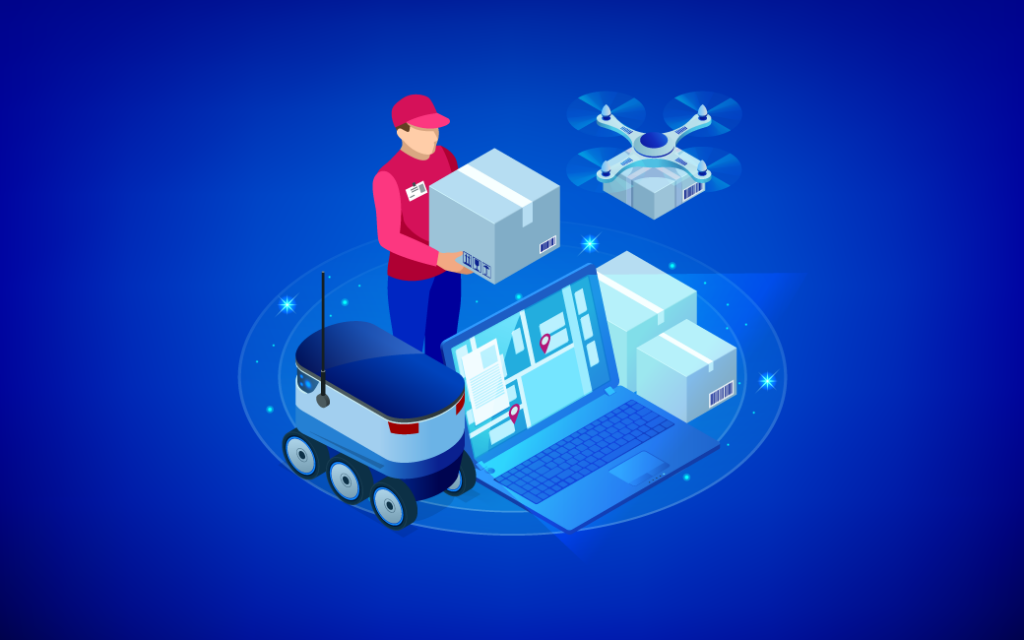
When it comes to B2B platforms – the best ones are designed to support sales representatives in their work. During a meeting with a client, a sales representative can use the platform to present a product.
Sales representatives are often linked to a specific account on the platform, which enables the personalisation of sales offers. A well-designed B2B platform is a powerful tool in the hands of a good sales representative. It allows them to showcase products and tailor their offers to the customer’s needs. It enables them to compete with other sales representatives even for amounts as small as a few groszy per product, which can have a huge impact on the final value of a large order.
Payment systems in B2B and B2C
Payment for an order is the final step in the purchasing process and usually determines whether the transaction goes ahead. Modern e-commerce platforms must offer users a full range of options – BLIK, online bank transfers, traditional bank transfers and cash on delivery are just some of the modern methods of paying for online purchases.
The payment system must be carefully selected to suit the specific platform. In the B2B sector, in addition to standard payment methods, there are leasing arrangements, deferred payments and trade credit. As B2B platforms have evolved, even this type of payment has been simplified.
The only difference between B2B and B2C that can be identified in the context of making payments is that instalments are more commonly used for retail customers, whilst leasing is more common for business customers.
Summary
Both B2B shops, as well as B2C are emerging, in order to meet the needs of consumers, which is why the primary aim well designed sales platform is to generate profits.
A high-quality design that meets usability standards will have a positive impact on the end customer’s experience. Remember that a sales platform is, first and foremost, an investment which, in the long term, will help you grow your customer base and achieve satisfactory profits from your business.
Book a free consultation with us, and we’ll be happy to help you build a high-converting and efficient sales platform that will bridge the gap between your offline and online activities.